
older John Deere parts still manufactured
When equipment owners ask, “Are older John Deere parts still manufactured?” they are usually dealing with vintage tractors, legacy harvesters, or older utility machines that have been passed down through generations. John Deere equipment is known for its durability, and many older models remain in use today, especially on family farms and in rural communities. Keeping these machines running requires access to dependable replacement components, which makes the availability of older John Deere parts an important concern. Fortunately, John Deere remains one of the most supportive manufacturers when it comes to long-term parts availability, although the extent and method of sourcing parts varies depending on the age of the machine.
John Deere follows a strong parts support philosophy that focuses on long-term serviceability. For decades, the company has continued manufacturing components for many older models, especially those that remain widely used in the agricultural industry. While not every part for every older machine is still produced, many essential components—such as filters, belts, gaskets, seals, bearings, and engine-related items—remain in production. Because John Deere understands how valuable long-lasting equipment is to farmers, they aim to ensure that the most critical John Deere parts remain accessible for as long as possible.
For machines that are not extremely old, official dealerships are often the best place to determine whether parts are still manufactured. Many dealerships carry extensive inventories or can order from centralized John Deere warehouses. Even when a part is no longer actively produced, dealerships can assist in locating old stock, offering alternatives, or even identifying compatible replacements from newer models. Having the model number and serial number available allows the dealership to search John Deere’s parts database and confirm availability. In many cases, essential John Deere parts for older models remain available thanks to the company’s commitment to legacy support.
As equipment gets older—especially machinery from the 1960s, 1970s, or earlier—the availability of newly manufactured parts becomes more limited. However, this does not mean that support disappears. John Deere often continues to produce certain high-demand components for decades. Additionally, the company works with suppliers and specialized manufacturing partners to ensure availability of items like carburetors, injectors, ignition components, hydraulics, and transmission parts for older machines. Many of these components fall under ongoing production because they are shared across multiple models. This means that even if your exact tractor model is old, the same John Deere parts may fit several machines released in similar eras.
Another major source for older parts is NOS (New Old Stock) inventory. These are original John Deere components that were manufactured years ago but never used or installed. Dealerships, warehouses, and independent suppliers often store these items, making them valuable for owners of older machines. NOS John Deere parts offer the advantage of being authentic and unused, even though they are no longer manufactured. Many collectors and restorers specifically look for NOS components to maintain historical accuracy or preserve the original quality of their classic tractors.
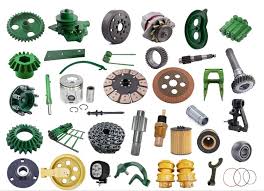
Are older John Deere parts still manufactured?
In addition to NOS parts, John Deere also supports the continued availability of older parts through its extensive remanufacturing program. Remanufactured parts are original components that have been professionally restored to like-new condition using advanced processes. Items like engines, injection pumps, starters, alternators, and hydraulics are commonly available as reman options. These remanufactured John Deere parts meet strict quality standards and often come with warranties, making them a reliable solution when new manufacturing is no longer feasible.
Beyond official John Deere channels, there is a thriving network of aftermarket suppliers and vintage tractor specialists that provide older parts. While these parts are not manufactured by John Deere, many are designed to match original fit and specifications. For maintenance items, body panels, and common wear parts, these suppliers offer a practical solution when genuine parts are no longer produced. However, many equipment owners prefer authentic John Deere parts whenever possible to ensure longevity and compatibility.
Salvage yards and equipment recycling centers also play a major role in supplying older components. These operations dismantle used, damaged, or retired tractors and harvesters, then sell the functional parts. For very old or rare models, salvage yards can be one of the best sources for components that are no longer manufactured. Although these parts are used, many still have years of service life left and can be a cost-effective solution. It is not uncommon for dedicated John Deere salvage yards to specialize in specific decades or series of tractors, providing a reliable alternative to new John Deere parts.
Online marketplaces and tractor restoration communities also help equipment owners locate older components. Experienced collectors and farmers often buy, trade, and sell parts for older models, keeping a steady supply available even when manufacturing has stopped. Online forums and groups frequently share information about compatible parts, rare finds, and reliable suppliers.
In conclusion, while not all older John Deere parts are still actively manufactured, John Deere provides impressive long-term support through ongoing production, remanufacturing, NOS inventories, and dealer networks. Combined with salvage yards, aftermarket manufacturers, and collector communities, most owners of older John Deere equipment can still find the parts they need. This extensive availability is a major reason why older John Deere machines continue to operate reliably decades after they were built, supported by a strong ecosystem of genuine John Deere parts and dedicated suppliers.
