
TMS safe with medication changes
Is TMS safe with medication changes? This is a thoughtful and important question for individuals considering or already undergoing Transcranial Magnetic Stimulation. TMS, or Transcranial Magnetic Stimulation, is a non-invasive treatment used primarily for depression, anxiety, and certain other mental health conditions. Because many people beginning TMS are already taking antidepressants or other psychiatric medications, and some may need adjustments to their prescriptions during treatment, it is essential to understand how medication changes interact with TMS therapy.
The good news is that TMS is generally considered safe to use alongside medication changes when these adjustments are managed under professional supervision. TMS works through targeted magnetic stimulation of specific brain regions involved in mood regulation, while medications work through chemical processes within the brain. Because the two approaches operate through different mechanisms, they can complement rather than interfere with one another. Many individuals receive tms near me while continuing their existing medications, and some even achieve the best outcomes through a combination of both.
It is common for psychiatrists to evaluate medication needs throughout the course of TMS. For example, some patients may gradually reduce medication if they experience substantial improvement, while others may have medications adjusted to better support progress. Medication changes are often done carefully and slowly to avoid withdrawal side effects or emotional instability. In many cases, the stability provided by TMS helps facilitate smoother transitions. However, any medication adjustment should always be done under medical guidance rather than independently.
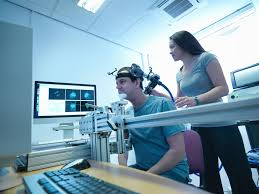
Is TMS safe with medication changes?
Communication between the patient and treatment team is essential. During TMS sessions, trained clinicians continually monitor progress and check in about mood, sleep patterns, anxiety levels, and energy. These observations help determine whether medication changes might be beneficial or necessary. If adjustments are recommended, the psychiatrist overseeing treatment will explain the reasoning and help plan the process safely. Most clinics encourage patients to report any changes in symptoms—positive or negative—as soon as possible.
It is also important to remember that responses vary. Some people may feel improvements early in treatment, while others progress more slowly. Medication changes can potentially influence how quickly progress is noticeable, but they do not typically change the overall safety of the treatment. The most common side effects associated with TMS—such as temporary scalp discomfort or mild headache—are unrelated to medication adjustments and usually fade as treatment continues.
For those researching treatment options or searching online using terms like tms near me, it is helpful to ask potential providers about their approach to medication management. Quality clinics include psychiatric supervision, structured tracking of symptom changes, and individualized treatment plans. Asking whether they coordinate with outside prescribers, how they handle medication tapering, and what role medications may play after treatment can offer valuable insight into what to expect.
Overall, TMS is widely regarded as safe to use with ongoing medication changes when managed responsibly by a knowledgeable clinical team. The ability to adjust medications while receiving TMS is one of the benefits of this treatment approach, particularly for people who have struggled to find the right balance with pharmaceutical options alone. Through open communication, steady monitoring, and a collaborative care environment, patients can feel confident that medication adjustments can be safely integrated into their TMS journey, supporting long-term recovery and improved quality of life.
