
pre-engineered buildings
Pre-Engineered buildings have become one of the most sought-after solutions in the construction industry due to their efficiency, durability, and versatility. These structures are designed and manufactured in factories with precise specifications before being transported and assembled on-site. Unlike traditional construction methods that often involve longer timelines, higher costs, and unpredictable delays, this modern approach provides a streamlined process that ensures both quality and cost savings. The main features of pre-engineered buildings distinguish them from conventional options, making them ideal for industrial, commercial, agricultural, and even residential purposes.
One of the most notable features of Pre-Engineered buildings is their speed of construction. Since the structural components are fabricated in advance, the assembly process on-site is significantly faster compared to traditional brick-and-mortar methods. This rapid timeline allows businesses to start operations sooner and developers to save on labor costs and project delays. For industries where time equals money, such as manufacturing plants or warehouses, the ability to set up a functional building in weeks rather than months is a major advantage.
Another important characteristic of pre-engineered buildings is their cost-effectiveness. The design and production process minimizes material waste and reduces labor expenses. By standardizing components and using advanced engineering software, manufacturers ensure that resources are used efficiently. This not only helps in lowering initial construction costs but also reduces maintenance expenses over time. Additionally, the reduced construction timeline translates into significant financial savings, as clients do not have to pay for prolonged site supervision or extended equipment rentals.
Durability is a key feature that makes pre-engineered buildings highly reliable. These structures are typically made of high-quality steel that undergoes stringent quality checks to ensure strength and resilience. As a result, they can withstand harsh weather conditions, including heavy rains, high winds, and even seismic activity. The steel components are often coated with anti-corrosive finishes, which extend the building’s lifespan and reduce the need for frequent repairs. This makes them a long-term investment for industries and organizations that require dependable infrastructure.
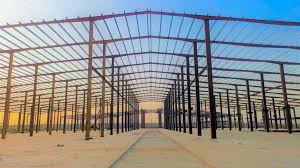
What are the main features of pre-engineered buildings?
Flexibility in design is another major advantage of pre-engineered buildings. Unlike the misconception that they are limited to box-shaped warehouses, these structures can be customized to meet a variety of aesthetic and functional requirements. From large-span roofs without intermediate columns to multi-story office complexes, the design possibilities are vast. The modular nature of the construction allows clients to expand or modify the building in the future without major disruptions. This adaptability ensures that businesses can respond to changing needs without having to start from scratch.
Pre-engineered buildings are also known for their lightweight yet strong structure. Since the components are designed with precision engineering, the overall weight of the building is significantly less compared to conventional concrete or masonry structures. This reduced weight lowers the foundation requirements, which further contributes to cost savings. Despite being lightweight, the buildings maintain excellent load-bearing capacity, making them suitable for applications such as warehouses, cold storage units, workshops, and showrooms.
Another essential feature of pre-engineered buildings is their energy efficiency. The design often incorporates insulated panels, reflective roofing, and natural ventilation systems that help regulate indoor temperatures. These features reduce the need for excessive heating or cooling, lowering energy consumption and operational costs. Additionally, the integration of sustainable building materials and energy-efficient technologies makes these structures environmentally friendly, aligning with the global push towards green construction practices.
Low maintenance is also a critical factor that makes pre-engineered buildings highly attractive. The steel used in their construction is resistant to pests, mold, and fire, which are common issues in traditional structures. With minimal maintenance requirements, businesses can save considerable amounts on upkeep while enjoying peace of mind that their building remains in excellent condition for years. This aspect is particularly beneficial for large facilities such as factories and warehouses, where maintenance disruptions can be costly and inconvenient.
Another noteworthy feature of pre-engineered buildings is their compatibility with advanced technology. Modern engineering software ensures precision in design, which reduces errors during construction. This level of accuracy guarantees that components fit perfectly during assembly, minimizing the chances of delays or modifications on-site. The use of technology also enables 3D modeling and simulations, giving clients a clear visualization of the final structure before construction even begins. This enhances transparency and ensures that expectations are met with precision.
Sustainability is becoming increasingly important in the construction industry, and pre-engineered buildings are designed with this in mind. The materials used are often recyclable, and the efficient design minimizes waste during production and assembly. Many companies now integrate renewable energy options such as solar panels into their buildings, further reducing their environmental footprint. As global awareness of sustainable practices grows, this feature adds tremendous value to pre-engineered buildings.
Finally, the versatility of applications highlights why pre-engineered buildings are such a popular choice. They can be used for a wide range of purposes, from warehouses and factories to schools, sports arenas, and even residential homes. Their ability to adapt to different industries while maintaining efficiency and reliability sets them apart as a future-ready construction solution.
In conclusion, the main features of pre-engineered buildings include speed of construction, cost-effectiveness, durability, design flexibility, lightweight structure, energy efficiency, low maintenance, technological compatibility, and sustainability. Together, these qualities make them a superior alternative to conventional construction methods. As industries continue to prioritize efficiency, affordability, and sustainability, pre-engineered buildings are likely to remain at the forefront of modern construction, offering innovative solutions that cater to the evolving needs of businesses and communities alike.
